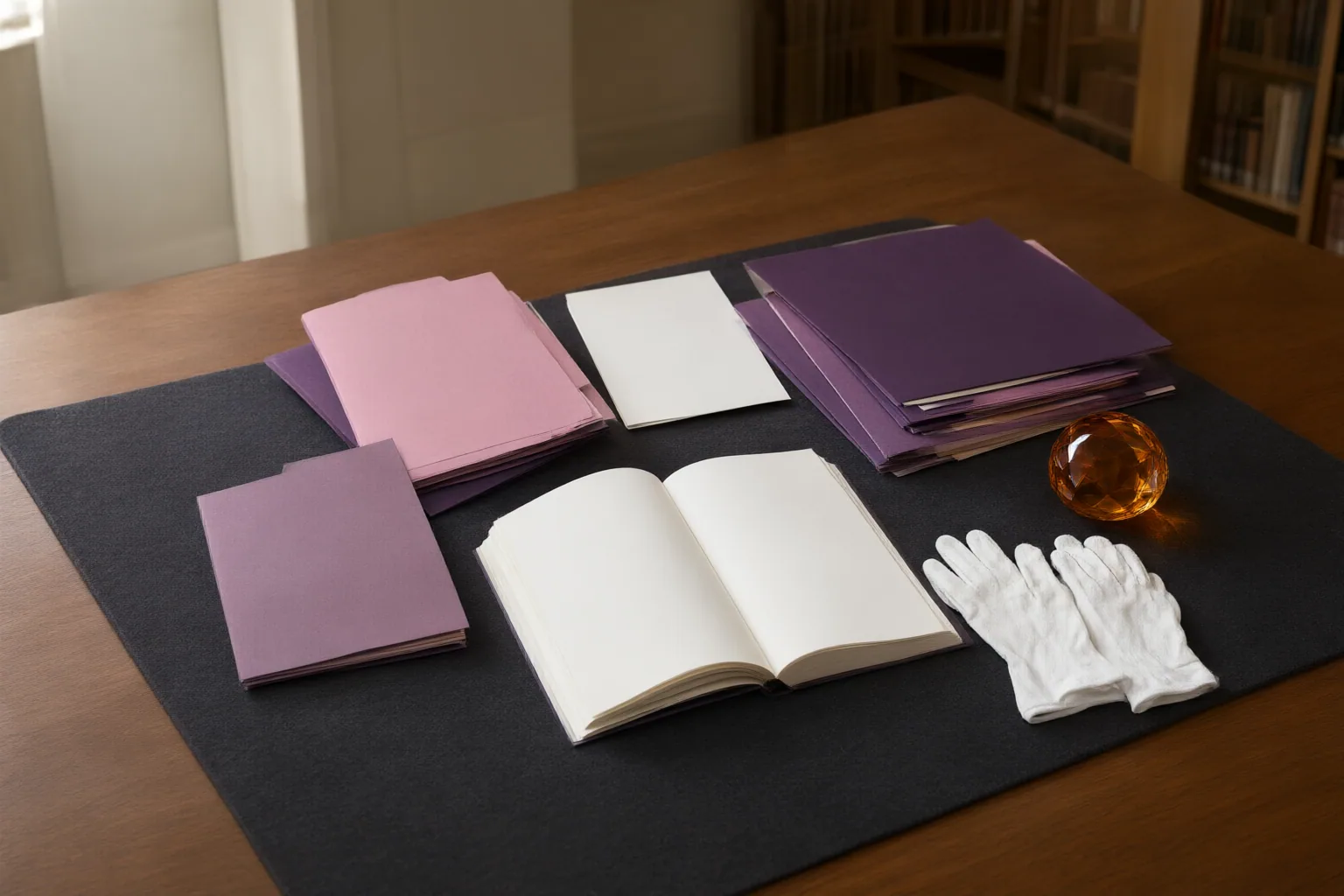
Feminist educational resources can combine interpretation with testimony, photographs, audiovisual archives, activist materials, reports, videos, and maps. Educators and students should examine each item separately: identify its creator, date, format, context, provenance, and holding institution, then verify availability before citing it or using it in teaching.
What Counts as a Feminist Public Record in an Educational Context?
A feminist public record may take many forms. FEMglocal’s description of its documentary identifies personal testimony, audiovisual archives, photographs, and activist materials as records used to construct a plural account of feminist movements in Portugal. Its educational booklet also links readers to supplementary videos, reports, and maps.
These materials should not be treated as interchangeable evidence. Testimony records a person’s account, a photograph preserves a visual representation, and a report or map presents information selected and organized for a particular purpose. Each format raises different questions about authorship, production, context, and interpretation.
It is also important to distinguish an educational project’s narrative from the records supporting it. FEMglocal describes itself as a research project concerned with the history and communication of feminist movements in the Portuguese context, including relationships between global and local activity and between digital and in-person action. That description establishes the project’s stated scope; it does not replace examination of the individual materials it presents.
Likewise, the project says its booklet is intended to encourage discussion of feminist activism and gender issues, particularly in schools, and to support education about gender equality, feminisms, and human rights. Readers should attribute those aims to FEMglocal while assessing linked records on their own terms.
How to Check Creator, Date, Context, and Provenance
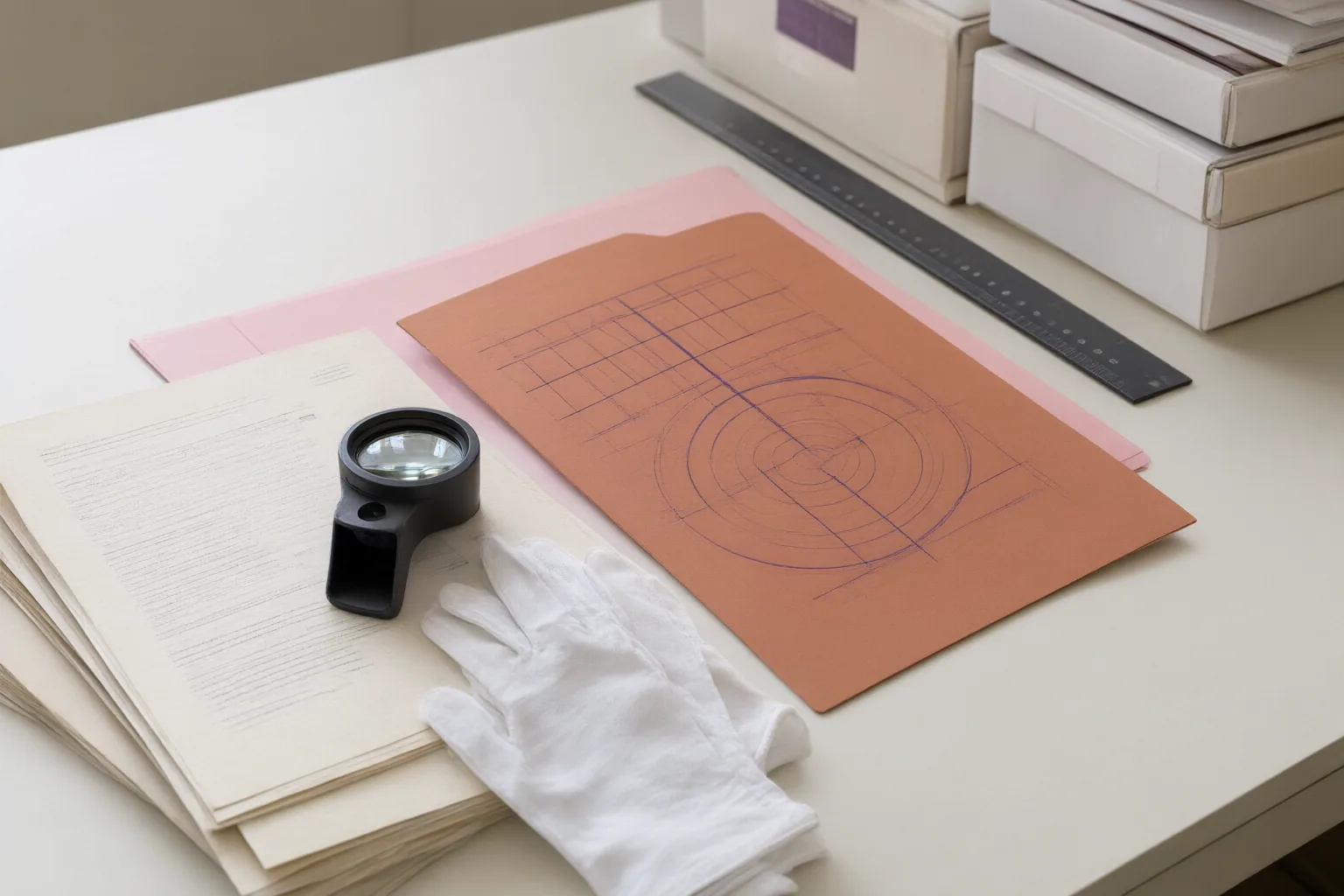
Begin with the creator. Record the person, organization, project, or institution credited with producing the item. If a page presents both an original record and later explanatory text, note the creator of each separately. This prevents the interpretation from being mistaken for the underlying evidence.
Next, identify the date. Distinguish the date of the event represented, the date the record was created, and the date of any later publication or presentation when that information is supplied. Then describe the context: what circumstances does the item represent, what appears to have been its original purpose, and how has it been incorporated into the educational resource?
Provenance concerns the record’s documented origin and custody. Look for information connecting the item to its creator, collection, project, or holding institution. Do not assume that placement within a booklet or documentary establishes the complete history of the original material.
This item-by-item approach remains necessary when a resource is written accessibly. FEMglocal describes its booklet as using language suitable for young people of different ages and as linking to videos, reports, maps, and other supplementary materials. Accessibility describes how the material is presented, not whether every linked item shares the same creator, date, purpose, or evidentiary status.
For classroom notes, create a short record for each item containing its title or description, creator, relevant date, format, original context, present context, and stated source. Mark any missing particulars as “Details being checked” rather than filling gaps by inference.
How to Identify the Holding Institution and Access Context
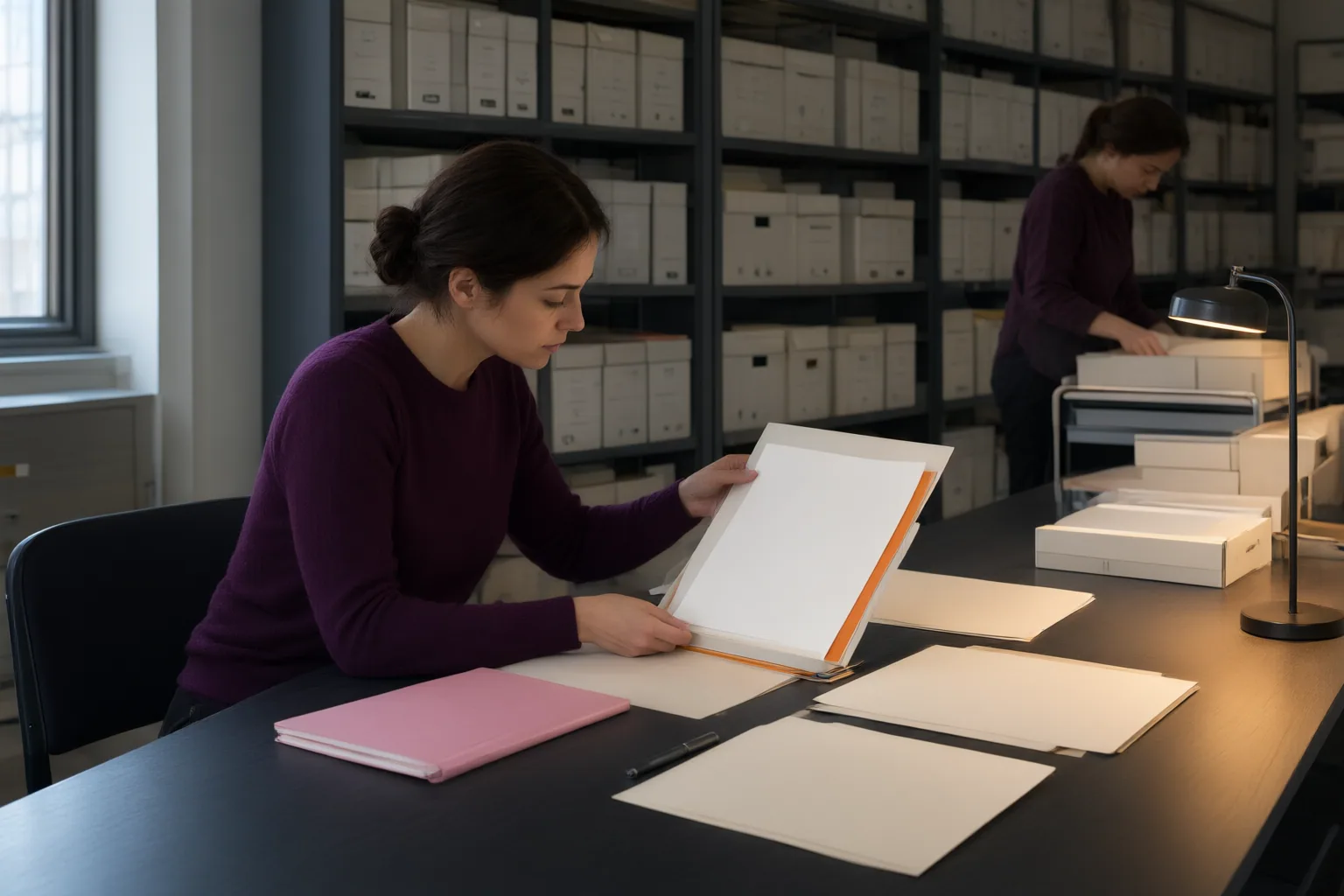
Determine where the record is held or presented. The European Union’s education page directs people seeking EU research results toward several categories, including publications, libraries, archives, and other data sources. These categories are useful starting points, but they do not establish the custody or access conditions of a specific feminist record.
The institutional landscape connected with research in Portugal includes named national institutions and a wider range of collections. FLAD states that it provides grants to eligible researchers affiliated with US teaching or research institutions for work at the Torre do Tombo, the National Library of Portugal, and other public or private libraries and archives. This documents those institutions and collection types as research settings; it does not confirm that a particular record is held there.
For each item, note whether the named holder is an archive, library, private collection, research project, or another data source. Keep the holding institution separate from the creator: an institution may preserve or present a record without having produced it. Also distinguish the original record from a reproduction, excerpt, catalog description, or educational presentation when the supplied information allows that distinction.
A documented reference to an institution is not proof of current access. The supplied sources do not confirm present access to every archive, booklet, program, or linked item. Where access has not been verified, use the label “Availability not confirmed.” Where collection, custody, or access particulars remain unresolved, use “Details being checked.” Verification should come from the named project or institution before the material is assigned, cited, or described as accessible.
Conclusion
A practical assessment separates the surrounding narrative from its underlying records. For every selected item, document the creator, relevant date, format, original purpose, represented context, present educational use, and named holding institution. Check whether the evidence identifies an archive, library, private collection, project, or other source, and do not convert an institutional reference into an unsupported claim about custody or access.
Before classroom or research use, review what is known about provenance and label unresolved details explicitly. Choose one record or supplementary item now, complete this information, and verify its availability and provenance with the named source or institution before citing or teaching from it.
Disclosures and limitations
- This article was prepared with AI assistance exclusively from the supplied research package and attributes material claims to its listed sources.
- No products were recommended and no affiliate relationship was supplied. Readers should verify record availability, provenance, and access conditions with the named project or institution.
Related reading
Sources
- Educação, formação, voluntariado | União Europeia — European Union
- Centro Federal de Educação Tecnológica Celso Suckow da Fonseca – Wikipedie — cs.wikipedia.org
- FEMglocal – Home — femglocal.pt
- Educação — FLAD
- Direitos das mulheres – Wikipédia, a enciclopédia livre — pt.wikipedia.org