
Responsible citation begins before a quotation is selected. Journalists should verify the testimony’s consent and access conditions, understand the surrounding historical and educational material, identify how the account was recorded or edited, and check whether reproduction requires permission. These checks help preserve a narrator’s agency without presenting one excerpt as the entirety of a survivor’s experience.
Check consent, identity, and access conditions first
A publicly viewable description of an archive does not establish that every testimony is publicly accessible or available for unrestricted quotation. The Civil Commission, for example, says its archive is not a public database. Access is limited to authorized staff and expert reviewers, with selective professional access planned over time. Availability not confirmed. Journalists should therefore verify the status of the specific record rather than infer access from an archive’s website.
Consent also requires record-level attention. The Commission describes trauma-informed testimony work grounded in oral-history ethics and legal evidentiary standards. Its stated priorities include narrator agency, ongoing consent, and the pace chosen by survivors and witnesses. It also says testifiers can control anonymity and confidentiality periods and may withdraw consent.
Before identifying or quoting a narrator, document what the governing record says about consent, naming, anonymity, confidentiality, withdrawal, and authorized access. If any condition is unclear, do not treat public visibility as evidence that the narrator agreed to every later use. The relevant question is not only whether words can be seen, but what conditions govern their use and the narrator’s identification.
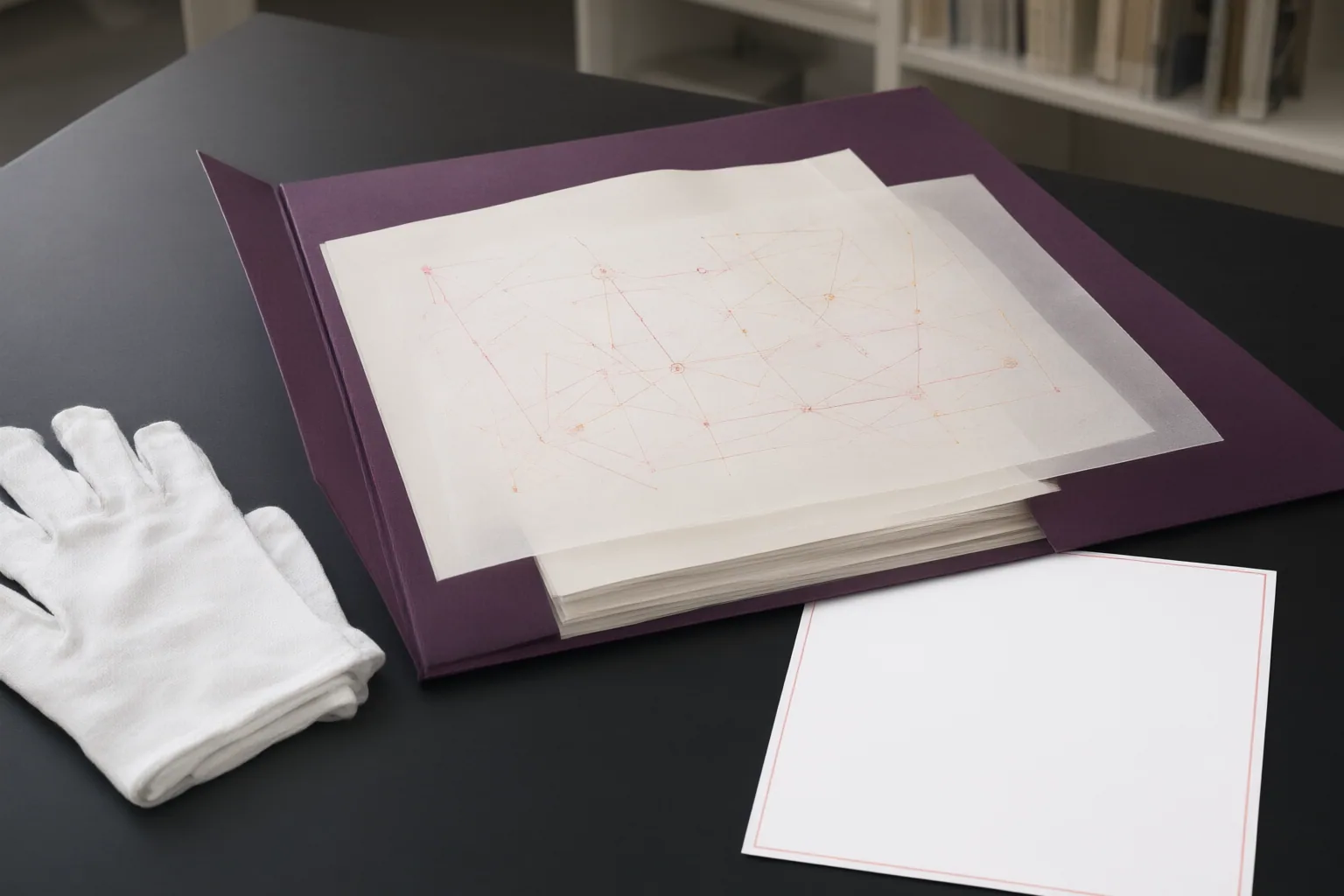
Keep the quotation connected to its context
A quotation can be accurate at the sentence level while still giving readers an incomplete understanding of the testimony. The Testimony for Tomorrow project places video testimonies alongside educational resources, including historical lessons, classroom activities, and reflection questions. That structure frames individual accounts within broader historical and educational material rather than presenting each clip as a self-contained statement.
The project also describes its summaries and videos as only a brief glimpse into each survivor’s lived experience of antisemitism and trauma. Journalists should preserve that limitation when selecting and introducing an excerpt. One passage should not be made to stand for the narrator’s entire experience, nor should it be detached from relevant project framing.
Before publication, review the materials presented with the testimony. Note the historical setting needed to understand the selected words, explain what kind of source the audience is encountering, and avoid implying that an edited video or summary contains the complete account. Where relevant, distinguish the survivor’s words from the archive’s summary, educational interpretation, or editorial organization. This keeps the citation useful while making its boundaries visible to readers.

Verify provenance and permission to reproduce
Attribution and authorization are separate checks. Naming a testimony and its source does not necessarily grant permission to reproduce substantial material. Remember.org identifies its Sidney Iwens material as excerpts from his book *How Dark the Heavens* and states that the material may not be reprinted or reproduced without his express written permission. Public visibility therefore should not be equated with unrestricted republication.
Provenance can also shape how readers understand quoted words. Iwens describes making notes during the war, losing those papers in 1944, recording his memories again shortly after liberation, and later arranging the account chronologically. Those details do not negate the testimony; they explain stages through which the published account took form. When such information is relevant, journalists can tell readers whether an account derives from contemporaneous notes, later recollection, reconstruction, editing, or subsequent organization.
Check the copyright notice, rights statement, and record history before reproducing material. Details being checked: permissions, consent terms, and access conditions may differ among archives and individual testimonies. Confirm the governing terms with the archive or rights holder instead of assuming that a citation alone resolves reproduction rights.
Conclusion
The available sources support a practical sequence, not a universal journalism standard. First, verify access, ongoing consent, anonymity, confidentiality, withdrawal conditions, and permission to identify the narrator. Second, read the historical and educational framing so the quotation is not presented as the whole testimony. Third, disclose relevant provenance, including how the account was recorded, reconstructed, edited, or arranged. Finally, distinguish attribution from authorization and confirm applicable reproduction restrictions.
Before publishing, review the testimony’s governing record and document its consent conditions, access status, contextual materials, provenance, and reproduction permissions with the relevant archive or rights holder.
Disclosures and limitations
- This article was prepared with AI assistance using only the supplied archive and testimony-project research. Its sources illustrate relevant principles but do not establish a universal journalism citation standard.
Related reading
Sources
- הנציבות האזרחית | הארכיון — The Civil Commission
- Testimony for Tomorrow: The Survivor Memory Project — fswc.ca
- Sidney Iwens Survivor Testimony | Lithuania & Dachau Memoir | Remember.org — Remember.org