
A feminist public archive is accessible when people can reach, navigate, understand, and benefit from its information—including through assistive technology—not simply when its pages are online. Readers can assess accessibility by examining publishing formats, navigation, communication options, and the routes from introductory explanations to detailed material.
Accessibility Means More Than Making an Archive Available
Accessibility concerns whether disabled people can use a product, service, or environment directly or with assistive technology such as a screen reader. For a feminist public archive, that shifts the central question from “Does this resource exist online?” to “Can people actually reach and use its information?”
An archive may be publicly visible while still presenting conditions that prevent access or make it difficult for readers to benefit. Accessibility therefore includes website accessibility and accessible publishing, as well as compatibility with relevant assistive technology. The presence of documents, search results, or navigation links does not by itself show that the archive is accessible.
Accessibility and usability are related but should not be treated as identical. Usability concerns whether specified users can achieve specified goals effectively, efficiently, and satisfactorily in a particular context. An archive assessment can consider both concepts: first whether disabled people can access the content, and then whether intended readers can use it successfully for their purposes.

Check Publishing, Navigation, and Communication Barriers
Begin with the paths people use to find and read information. Check whether navigation and published content work with relevant assistive technology, including screen readers. A page that can be opened but cannot be meaningfully navigated or interpreted through such technology still presents an access barrier.
Examine publishing choices as part of the same review. Accessible publishing and website accessibility are recognized forms of accessibility, so the assessment should extend beyond the archive’s physical or institutional availability. Ask whether page structure, navigation, and content formats allow readers to locate and benefit from the material.
Communication also deserves a separate check. United States ADA guidance states that effective public communication may sometimes require aids or services, and that an appropriate solution can vary with the nature of the communication. This supports a practical evaluation question: when one format is not effective for a reader, does the archive identify another way to receive the information or communication support?
That guidance should not be presented as the law governing a Portugal-based archive. It is useful here only as source context for understanding barriers and effective communication; jurisdiction-specific legal requirements would require additional evidence.
Create Clear Routes From Introductions to Detailed Material
People approach feminist public-interest material with different levels of subject knowledge. A useful archive structure gives newcomers a clear starting point without removing the depth required by researchers, educators, journalists, students, or community organizations.
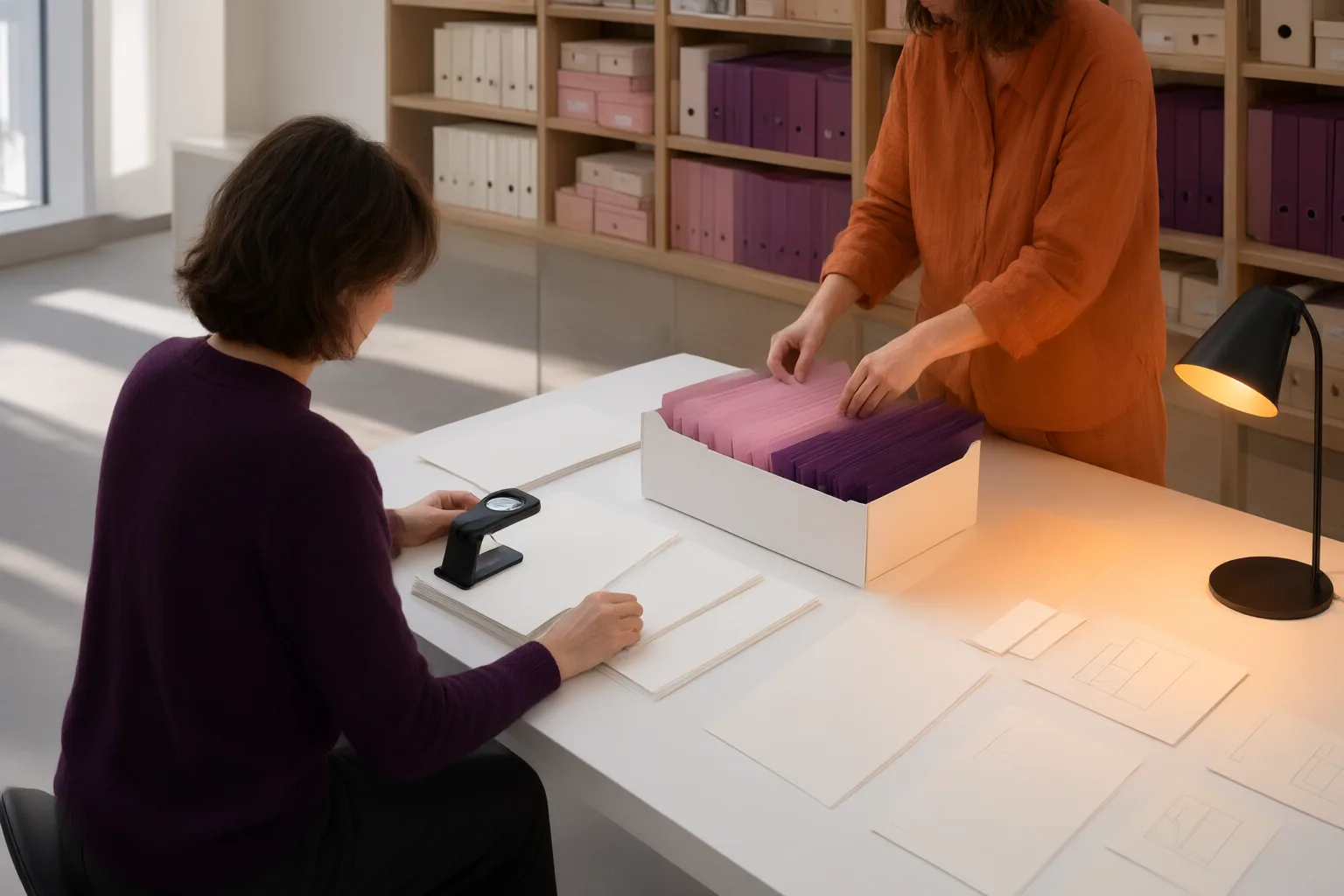
The supplied ADA.gov sources distinguish beginner-level topic introductions from detailed guidance, resources, laws, regulations, and standards. Applied as an information-architecture principle, that separation suggests a layered route: an introductory page explains the subject and its context, while clearly identified links lead to more detailed records or technical material. Readers should not have to begin with a legal standard or specialist document merely to understand what a topic covers.
When assessing a page, look for a recognizable introduction, clear labels for more detailed material, and a navigable relationship between the two. Confirm that readers can move deeper without losing the original context.
Language access is also an important evaluation question for an archive serving different readers, but the supplied sources do not establish multilingual design practices or standards. Details being checked: whether a particular archive offers information in multiple languages and how any language options operate must be established from additional evidence.
Conclusion
A sound accessibility review asks whether people can reach, navigate, understand, and benefit from an archive—not merely whether they can locate it online. It should examine assistive-technology compatibility, accessible publishing, website navigation, effective communication, and the route from introductory context to detailed resources. Usability can then help assess whether intended readers can accomplish their goals effectively in context.
Choose one archive page and test four points: identify its introductory context, follow its route to detailed material, navigate it with relevant assistive technology, and look for an alternative communication format or support when the original format is not effective.
Disclosures and limitations
- This article was prepared with AI assistance from the supplied research package. Its factual claims are limited to the listed sources, including an accessibility overview and ADA.gov material; the United States guidance is not presented as Portugal-specific legal advice.
Related reading
- Projects and Public Initiatives
- What Community Organizations Should Examine Before Partnering With a Feminist Civic Initiative in Portugal
Sources
- ADA Standards for Accessible Design — ADA.gov
- Accessibility – Wikipedia — en.wikipedia.org
- Businesses That Are Open to the Public — ADA.gov