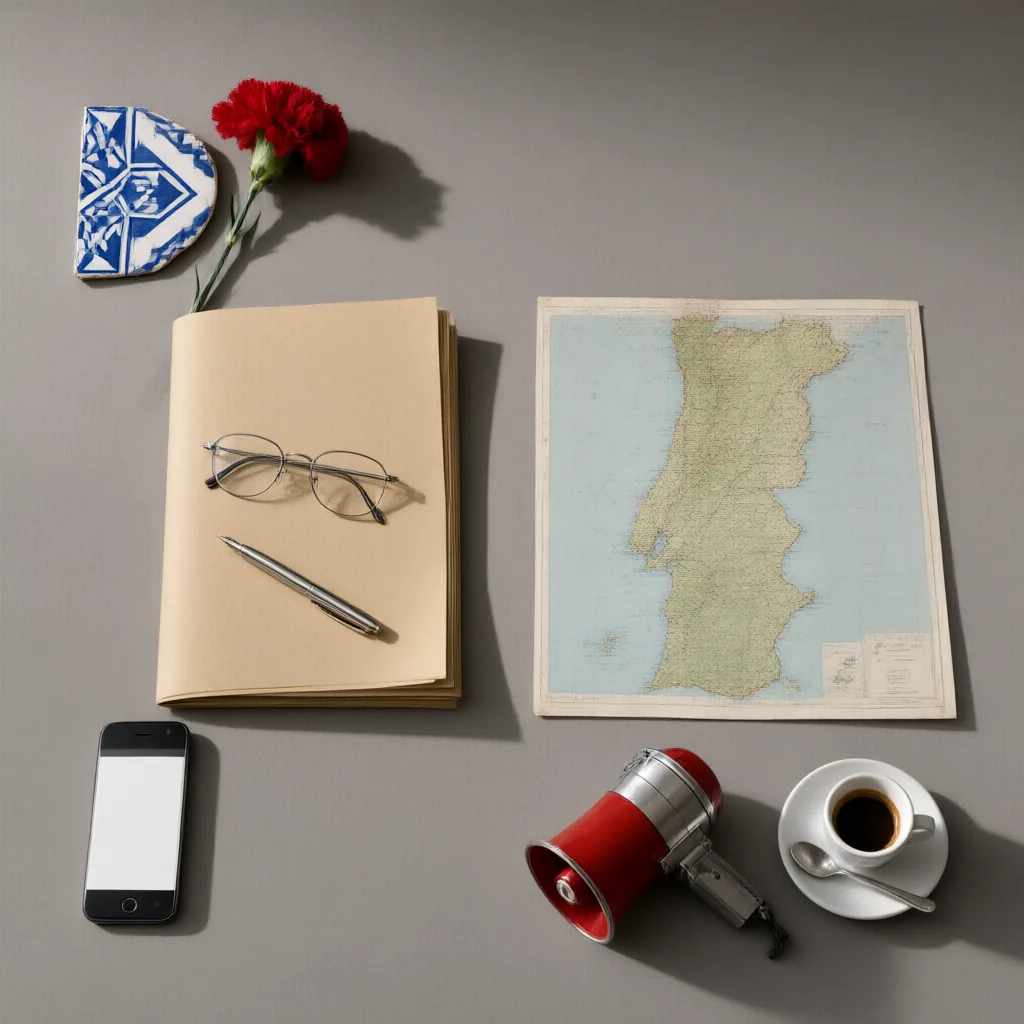
Readers looking for context around UMAR in 2013 often need more than a label or a date. What matters is understanding how the organization was positioned in public-interest feminist work at that time, what kinds of issues framed its presence, and which details can be stated confidently without overstating current activity or unverified institutional facts.
Why 2013 Matters in This Record
A dated organization page helps place UMAR within a specific moment rather than treating it as a fixed profile outside time. In 2013, feminist advocacy in Portugal was closely tied to public debate on women’s rights, gender-based violence, civic participation, and the social conditions shaping inequality. A page like this is most useful when it preserves that time marker and keeps the focus on documented context instead of assuming that every area of work, structure, or public role remained unchanged afterward.
For researchers, students, and journalists, that distinction is practical. It helps separate historical framing from present-day interpretation and supports more careful reading of related publications, statements, and project records connected to the same period.
UMAR in a Feminist Knowledge Context
Within this site, UMAR is best understood as part of a broader feminist knowledge and civic landscape. That includes public education, gender equality debates, documentation of violence against women, and the circulation of materials intended to inform social awareness and policy discussion. This page is not a service listing and does not function as a contact directory. Instead, it serves as a concise contextual reference for readers tracing how the organization was represented in or around 2013.
That approach is especially important when a dated path suggests organizational information but does not reliably confirm the full scope of activities, staffing, locations, or communications details. Rather than filling those gaps with assumptions, this page keeps the emphasis on verifiable context: feminist public-interest work, documented knowledge production, and civic engagement around women’s rights.
What Can Be Read With Confidence
The strongest reading available here is thematic rather than administrative. UMAR belongs in a discussion of feminist organizing, public documentation, and educational or advocacy-oriented materials connected to women’s rights in Portugal. It is reasonable to read this 2013 context as part of a network of records that may also include research, campaign materials, statements, and issue-based resources.
At the same time, some details remain incomplete. Specific organizational arrangements, direct contact information, and the exact wording of all contemporaneous profile material are not confirmed on this page.
Availability not confirmed
If readers are trying to establish whether a specific 2013 document, profile text, or public information page was available in full, that status is not confirmed here.
Details being checked
If readers need exact institutional descriptions, formal role definitions, or time-specific operational details, those points require checking against surviving public records and should not be inferred from a dated URL alone.
How to Use This Page Responsibly
This page works best as a starting point for orientation. It can help identify the right subject, date range, and thematic field before moving into related research records, project pages, or documented statements. Readers comparing materials across years should pay close attention to date labels, publication types, and whether a source is descriptive, analytical, or campaign-based.
A careful use of this record means asking a few simple questions: Is the information tied clearly to 2013? Does it describe organizational context rather than current operations? Are later assumptions being projected backward onto an earlier moment? That method keeps the page useful for evidence-led reading and avoids turning a contextual reference into an unsupported institutional profile.
For anyone studying feminist public discourse in Portugal, this page provides a focused entry point: UMAR, viewed through the lens of 2013, as part of a documented field of women’s rights advocacy, public education, and gender-equality debate.